

 Image 1 of 1
Tribal Birth-worker Course
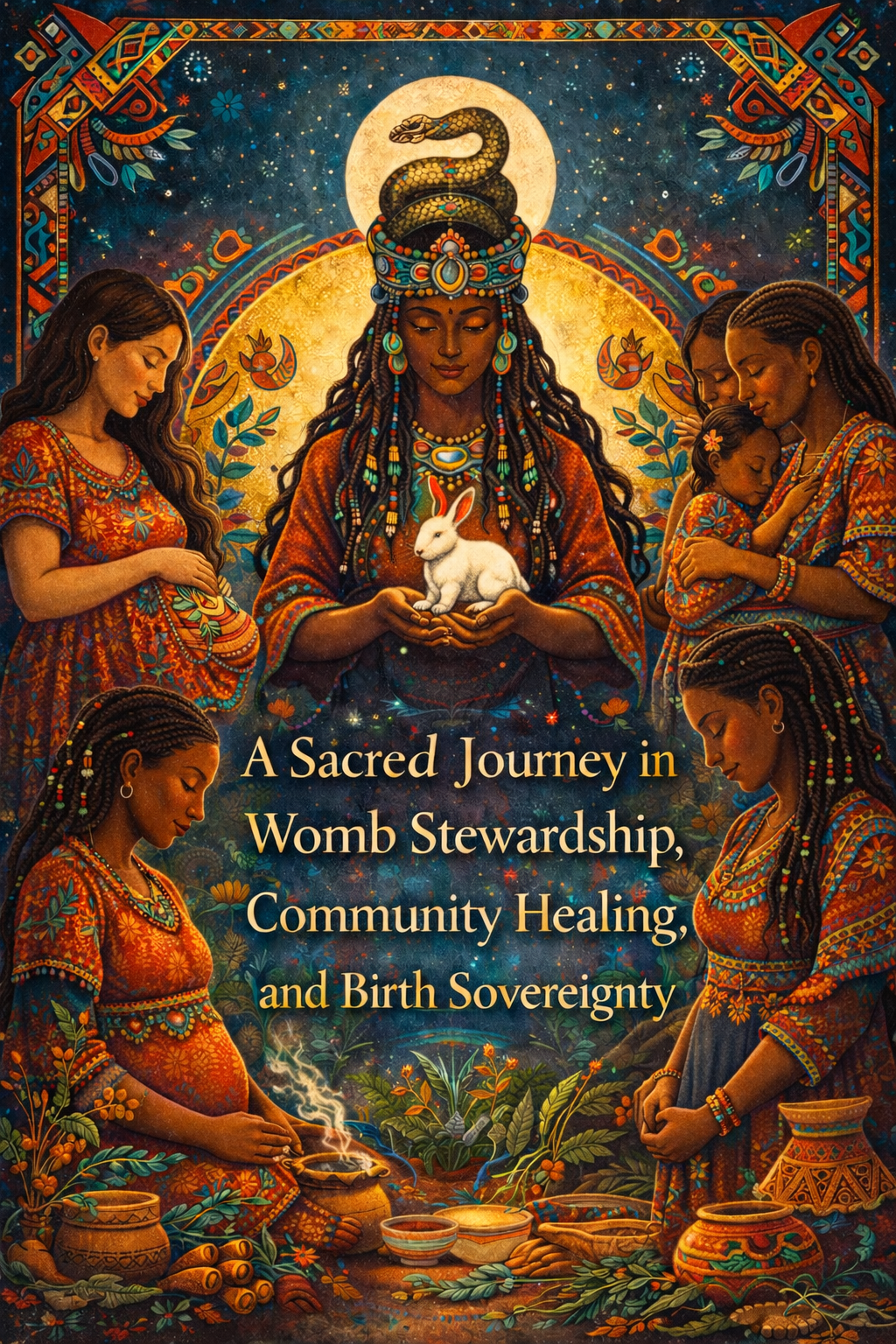
The Tribal Birth Worker Course is a sacred and practical educational journey designed to restore the wisdom, discipline, and responsibility of traditional birth work. Rooted in Indigenous understanding, womb stewardship, family preparation, physiologic birth, and postpartum care, this course offers a comprehensive framework for those called to support conception, pregnancy, birth, and the sacred return after delivery.
This training is not limited to the labor room. It begins far earlier—with the biological, economic, emotional, and spiritual preparation of the family. Through this course, students are invited into a deeper understanding of birth as a full-spectrum process that includes preconception, lineage, ritual conditions, physiologic operations, environmental design, ethical responsibility, postpartum restoration, and advocacy across multiple birth settings.
Participants will explore the sacred history of midwifery, the preparation of husband and wife to conceive, cycle intelligence, observational gender planning, plant medicines, self-hypnosis, zero-pain childbirth principles, cloistering, the complete birth process, breastfeeding, postpartum nourishment, and sacred postpartum tools. The course also includes guidance on home births, birth centers, emergency hospital transfers, and protections for ARNA Nationals and AMA Tribal Birth Workers.
This body of work is designed for those who desire to study birth beyond modern fragmentation and return to a more whole, ethical, biologically informed, and spiritually aligned practice.
Table of Contents
Introductions — Pages 2–5
Chapter 1: The Biological & Economic Preparation of a Husband & Wife to Conceive — Pages 8–22
The Holy Trinity: Man · Woman · Child
Proper Nutrition for Mama, Papa, and Baby
Pregnancy Exercise: The Original 72 Magical Motions
Economic Structure to Support Family Function
Chapter 2: The Sacred History of Midwifery — Pages 23–37
Midwifery as Authoritative Knowledge
The Midwife’s Ethical Spine: Every Action Is an Intervention
Ritual Conditions Are Physiologic Conditions (The Container Is Clinical)
IxChel and Medicine Woman Lineage (Fertility, Pheromones, Spirit, Duty, Energy)
Chapter 3: Pre-Planning the Gender of the Child — Pages 38–49
Energetic Influences at Conception
Masculine-Favoring and Feminine-Favoring Conditions (Observational)
Conception Window Awareness (Cycle Intelligence)
Harmonizing Essences and Ethical Boundaries in Guidance
Chapter 4: Plant Medicines, Self-Hypnosis & Zero-Pain Childbirth — Pages 50–62
Flow Breathing: The Gate to Ease
Self-Hypnosis & Trance Entry (Induction Pathways and Anchors)
Orgasmic Birth Physiology (Clinical Framing and Environmental Conditions)
Plant Medicines and Tribal Induction (Scope, Safety, Ethics, Consent)
Chapter 5: The Cloistering Woman — Pages 63–76
Pheromone Protection for Womb & Child
The Cloistering Window (Minimum Timing and Why It Works)
Environmental Conditions, Access Control, and Shielding Rituals
Modern Application, Advocacy, and Midwife Responsibilities
Chapter 6: The Complete Birth Process — Pages 77–89
Anatomical & Physiological Operations (Uterus Rhythm and Hormonal Sequence)
Stages of Labor (Tribal Framing)
Inner Sight and Sacred Companionship (Language and Presence)
Intervention Boundaries, Safety, and Transfer Humility
Chapter 7: Postpartum Care (Full Scope) — Pages 90–101
The Sacred Return and the 40+ Day Healing Framework
Phases of Postpartum (Closing, Restoration, Re-entry)
Rebuilding Core Vitality (Blood, Hormones, Pelvic/Core Integrity)
Emotional/Energetic Reset and Family System Responsibilities
Chapter 8: Breastfeeding & Postpartum Nourishment — Pages 102–120
Milk as Medicine (Information and Adaptation)
Early Feeding as Regulation (First Days)
Supporting the Breastfeeding Dyad (Comfort, Challenges, Emotional Flow)
Nourishment, Hydration, and Support Systems for Maternal Vitality
Chapter 9: Sacred Postpartum Tools — Pages 121–152
Tool Ethic and Sequencing (Rest to Re-entry)
Yoni Steaming (Purpose, Timing, Safety, Method)
Binding, Herbal Wraps, and Baths (Support and Scope)
Emotional Tools and Postpartum Space Design (Closure and Integration)
Chapter 10: Home Births, Birth Centers & Emergency Hospital Births — Pages 153–161
Home Birth (Eligibility, Screening, Responsibilities)
Birth Center Births (Benefits and Continuity of Care)
Emergency Hospital Births (Transfer Criteria and Navigation Skills)
Advocacy Without Conflict and Continuity After Transfer
Protections for ARNA Nationals & AMA Tribal Birth Workers — Pages 162–174
Appendix A: Gender Birth Charts — Pages 175–176
Appendix B: Android Pelvis Diagram — Page 177
Appendix C: The Birth Moment Clinical Data & Assessment — Pages 178–187
Glossary — Pages 188–208
Index — Pages 209–215
Bibliography — Pages 216–218
Meet the Author — Page 219
The Tribal Birth Worker Course is a sacred and practical educational journey designed to restore the wisdom, discipline, and responsibility of traditional birth work. Rooted in Indigenous understanding, womb stewardship, family preparation, physiologic birth, and postpartum care, this course offers a comprehensive framework for those called to support conception, pregnancy, birth, and the sacred return after delivery.
This training is not limited to the labor room. It begins far earlier—with the biological, economic, emotional, and spiritual preparation of the family. Through this course, students are invited into a deeper understanding of birth as a full-spectrum process that includes preconception, lineage, ritual conditions, physiologic operations, environmental design, ethical responsibility, postpartum restoration, and advocacy across multiple birth settings.
Participants will explore the sacred history of midwifery, the preparation of husband and wife to conceive, cycle intelligence, observational gender planning, plant medicines, self-hypnosis, zero-pain childbirth principles, cloistering, the complete birth process, breastfeeding, postpartum nourishment, and sacred postpartum tools. The course also includes guidance on home births, birth centers, emergency hospital transfers, and protections for ARNA Nationals and AMA Tribal Birth Workers.
This body of work is designed for those who desire to study birth beyond modern fragmentation and return to a more whole, ethical, biologically informed, and spiritually aligned practice.
Table of Contents
Introductions — Pages 2–5
Chapter 1: The Biological & Economic Preparation of a Husband & Wife to Conceive — Pages 8–22
The Holy Trinity: Man · Woman · Child
Proper Nutrition for Mama, Papa, and Baby
Pregnancy Exercise: The Original 72 Magical Motions
Economic Structure to Support Family Function
Chapter 2: The Sacred History of Midwifery — Pages 23–37
Midwifery as Authoritative Knowledge
The Midwife’s Ethical Spine: Every Action Is an Intervention
Ritual Conditions Are Physiologic Conditions (The Container Is Clinical)
IxChel and Medicine Woman Lineage (Fertility, Pheromones, Spirit, Duty, Energy)
Chapter 3: Pre-Planning the Gender of the Child — Pages 38–49
Energetic Influences at Conception
Masculine-Favoring and Feminine-Favoring Conditions (Observational)
Conception Window Awareness (Cycle Intelligence)
Harmonizing Essences and Ethical Boundaries in Guidance
Chapter 4: Plant Medicines, Self-Hypnosis & Zero-Pain Childbirth — Pages 50–62
Flow Breathing: The Gate to Ease
Self-Hypnosis & Trance Entry (Induction Pathways and Anchors)
Orgasmic Birth Physiology (Clinical Framing and Environmental Conditions)
Plant Medicines and Tribal Induction (Scope, Safety, Ethics, Consent)
Chapter 5: The Cloistering Woman — Pages 63–76
Pheromone Protection for Womb & Child
The Cloistering Window (Minimum Timing and Why It Works)
Environmental Conditions, Access Control, and Shielding Rituals
Modern Application, Advocacy, and Midwife Responsibilities
Chapter 6: The Complete Birth Process — Pages 77–89
Anatomical & Physiological Operations (Uterus Rhythm and Hormonal Sequence)
Stages of Labor (Tribal Framing)
Inner Sight and Sacred Companionship (Language and Presence)
Intervention Boundaries, Safety, and Transfer Humility
Chapter 7: Postpartum Care (Full Scope) — Pages 90–101
The Sacred Return and the 40+ Day Healing Framework
Phases of Postpartum (Closing, Restoration, Re-entry)
Rebuilding Core Vitality (Blood, Hormones, Pelvic/Core Integrity)
Emotional/Energetic Reset and Family System Responsibilities
Chapter 8: Breastfeeding & Postpartum Nourishment — Pages 102–120
Milk as Medicine (Information and Adaptation)
Early Feeding as Regulation (First Days)
Supporting the Breastfeeding Dyad (Comfort, Challenges, Emotional Flow)
Nourishment, Hydration, and Support Systems for Maternal Vitality
Chapter 9: Sacred Postpartum Tools — Pages 121–152
Tool Ethic and Sequencing (Rest to Re-entry)
Yoni Steaming (Purpose, Timing, Safety, Method)
Binding, Herbal Wraps, and Baths (Support and Scope)
Emotional Tools and Postpartum Space Design (Closure and Integration)
Chapter 10: Home Births, Birth Centers & Emergency Hospital Births — Pages 153–161
Home Birth (Eligibility, Screening, Responsibilities)
Birth Center Births (Benefits and Continuity of Care)
Emergency Hospital Births (Transfer Criteria and Navigation Skills)
Advocacy Without Conflict and Continuity After Transfer
Protections for ARNA Nationals & AMA Tribal Birth Workers — Pages 162–174
Appendix A: Gender Birth Charts — Pages 175–176
Appendix B: Android Pelvis Diagram — Page 177
Appendix C: The Birth Moment Clinical Data & Assessment — Pages 178–187
Glossary — Pages 188–208
Index — Pages 209–215
Bibliography — Pages 216–218
Meet the Author — Page 219